About Pipe Threading Machine
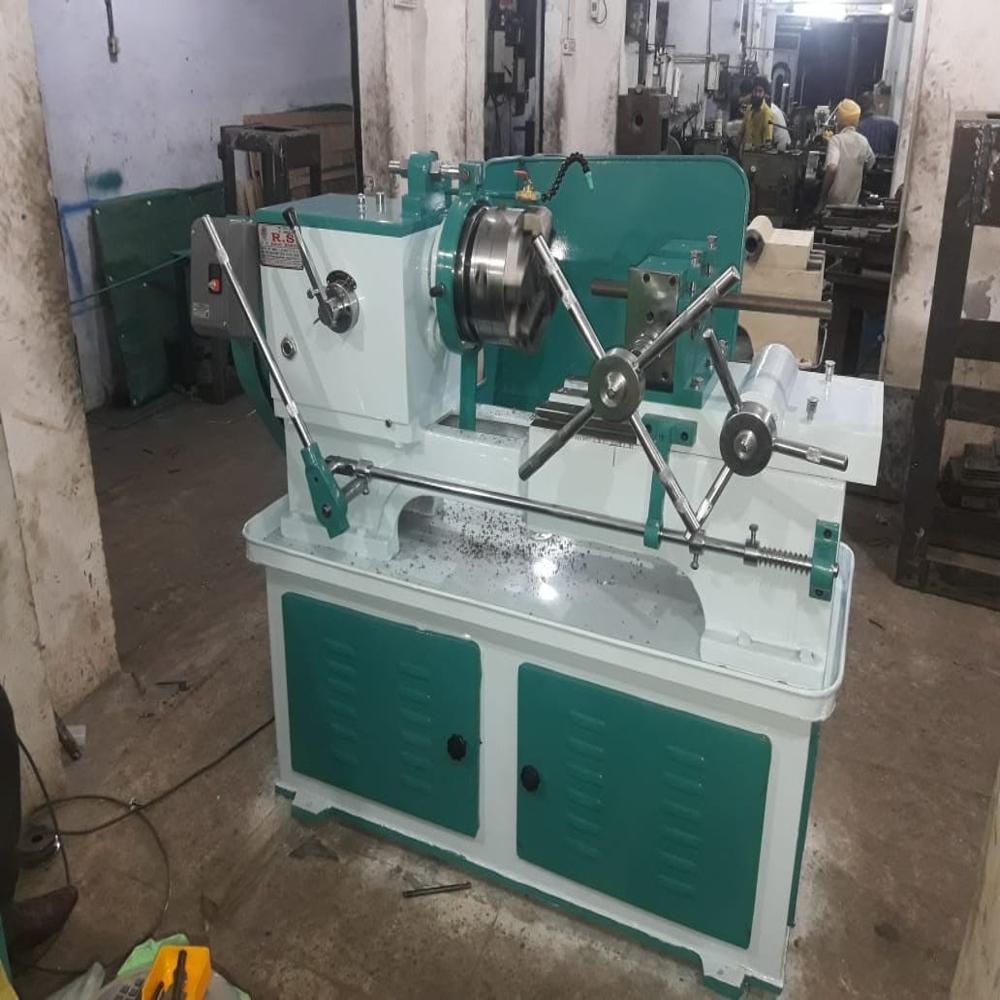
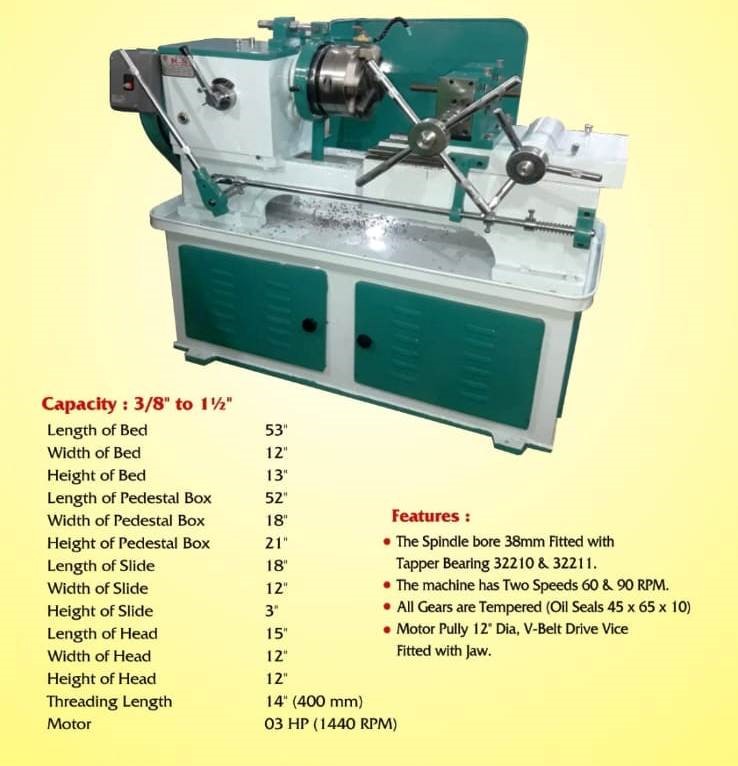
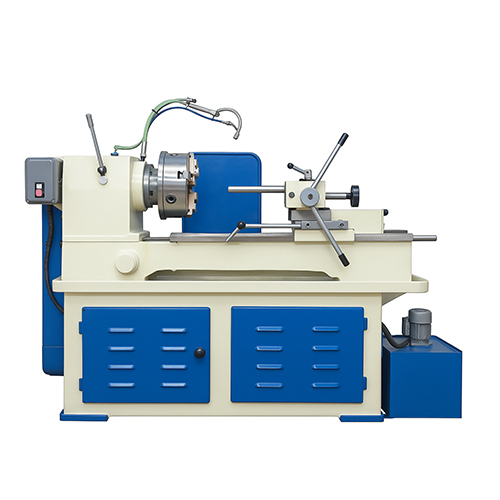
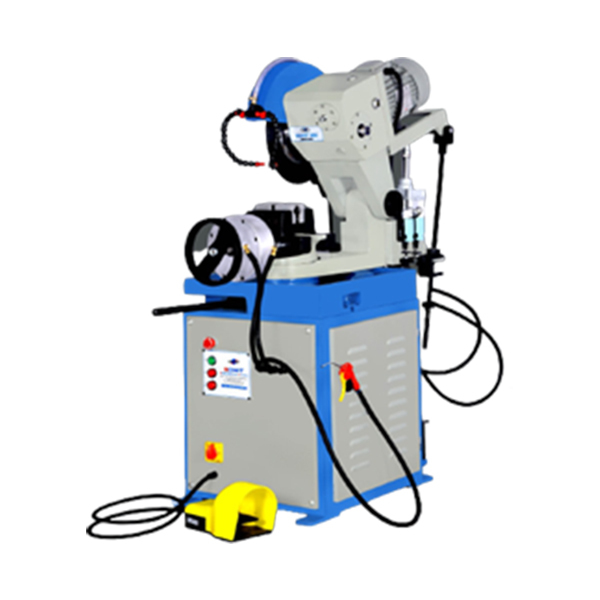
The Electric Threading Machine is designed for efficient and accurate threading of pipes and rods in industrial and construction environments. Powered by a 3 HP electric motor, the machine ensures consistent rotation speed, precision cutting, and reduced manual effort compared to conventional hand-operated threading tools.
Threading Capacity
Die Head Range: 10 mm to 40 mm
(Equivalent pipe sizes as per applicable threading dies)
Drive & Electrical Details
Motor Capacity: 3 HP
Motor Speed: 1440 RPM
Motor Make: Crompton
Starter: Yes
Starter Make: Siemens
Applicable Indian Standards (BIS)
IS 210 Grey Cast Iron for General Engineering Purposes (machine components, where applicable)
IS 1875 (Part 1) Carbon Steel Billets, Blooms, Slabs and Bars for Machine Structures
IS 325:2018 Three Phase Induction Motors
IS 900 Basic Dimensions of Machine Tools
IS 2312 (Part 1) Code of Practice for Electrical Wiring Installations (machine electrical safety)
IS 14489 Safety of Machine Tools General Requirements
Efficient Threading for Diverse IndustriesThis pipe threading machine delivers reliable threading results across multiple sectors. Whether in industrial workshops or on construction sites, users benefit from simple controls, stable operation, and the ability to handle demanding projects. The eco-friendly design ensures lower energy usage, while reduced noise levels contribute to an improved working environment.
Advanced PLC-Controlled AutomationEmploying a PLC control system, this machine automates the threading process efficiently while eliminating the complexity associated with computerized operations. Operators can easily manage functions, achieve consistent results, and maintain productivity without advanced technical training.
Built for Durability and PerformanceConstructed from hardened metals, the machine promises longevity and robustness, even under intensive use. The high-performance threading mechanism ensures each pipe is finished with precision, making it a reliable choice for manufacturing units and pipeline fabrication projects.
FAQ's of Pipe Threading Machine:
Q: How does the pipe threading machine operate with PLC control?
A: The machine utilizes a PLC (Programmable Logic Controller) control system, automating the threading process while simplifying control and minimizing manual intervention. This results in stable operations and consistent quality without requiring computerized systems.
Q: What industrial environments are best suited for this machine?
A: This pipe threading machine is ideal for use in industrial workshops, construction sites, manufacturing units, and plumbing or pipeline fabrication settings due to its durability, efficiency, and versatility.
Q: When is maintenance required for optimal performance?
A: Routine maintenance should be conducted according to the service schedule provided by the supplier, typically involving regular inspections, lubrication, and cleaning after extensive use to ensure consistent and high-performance operation.
Q: Where can this pipe threading machine be sourced in India?
A: This machine is available from trusted exporters, service providers, suppliers, and traders throughout India. Interested buyers can check domestic industrial equipment markets or connect with reputable vendors online.
Q: What process does the machine use for threading pipes?
A: The pipe threading machine clamps the pipe securely and, using its hardened metal components, automatically cuts threads to precise specifications through a controlled, high-efficiency mechanism guided by the PLC system.
Q: How does the machine benefit users environmentally and economically?
A: Designed with eco-friendly features, the machine reduces energy consumption and produces minimal noise, promoting a safer and more sustainable work environment while lowering operational costs.
Q: What are the advantages of using this machine over manual threading tools?
A: Compared to manual threading, this automatic machine delivers higher efficiency, improved precision, quicker turnaround, and significantly reduces labor intensity, making it ideal for high-volume or continuous production demands.





 Send Inquiry
 Get Latest Price

